
The Modern Wingback: Why Stamford Athletic's Left Flank Has Become the National Division's Most Dangerous Weapon
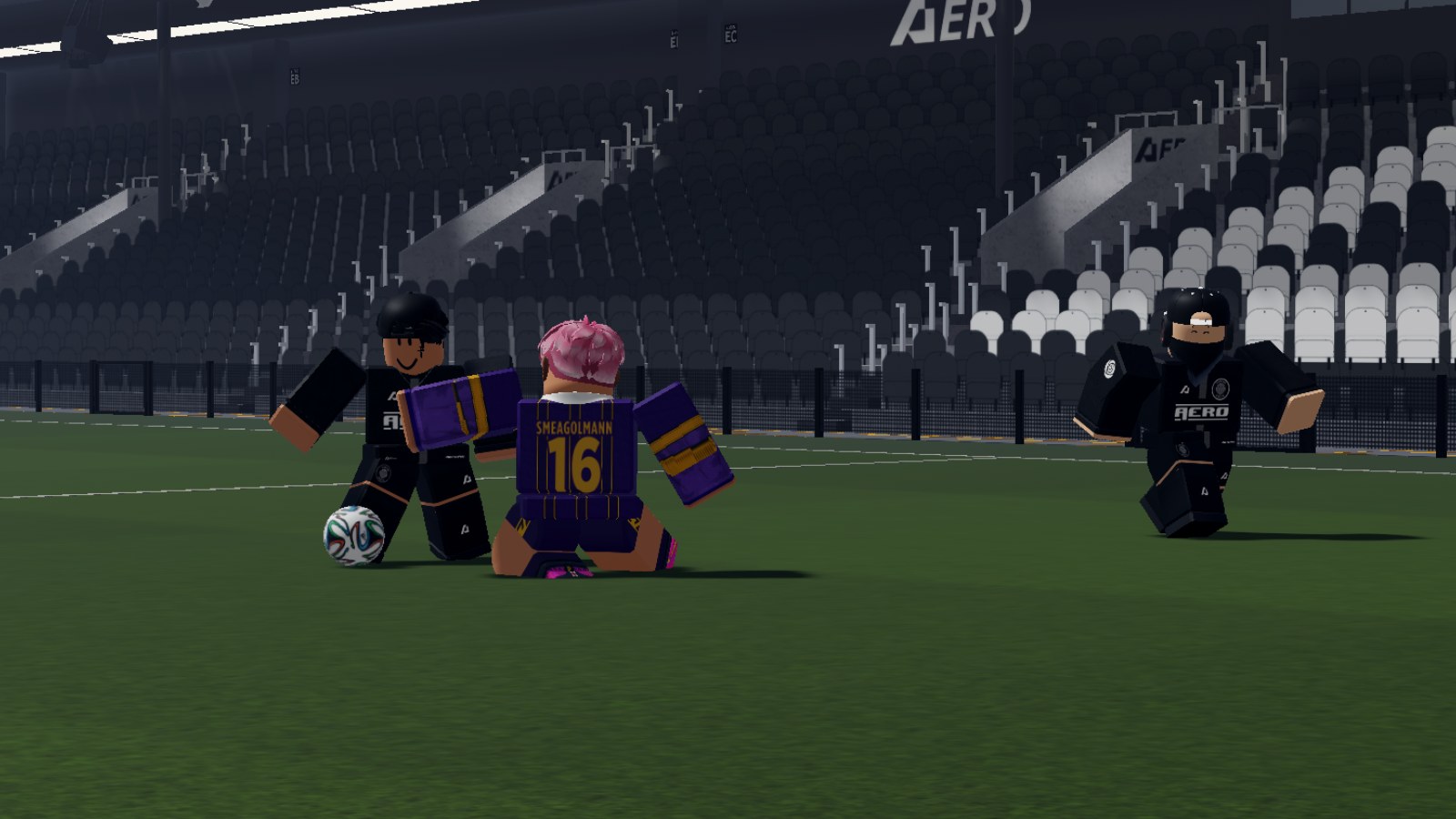


Winning a league title is rarely down to one tactical idea alone, but Stamford Athletic's National Division triumph showed just how influential a well drilled wingback system can be.
Manager melorxz has built a side around aggressive, overlapping wingbacks, creating numerical overloads in wide areas while maintaining enough defensive stability to sustain pressure. Although both flanks contribute, the left side has become the team's trademark, with Vyreo playing a pivotal role.
Rather than remaining alongside the back line, Vyreo consistently pushes beyond the midfield line during sustained possession. This forces opposing defenders into an uncomfortable decision: stay narrow to protect the central defenders, or follow the wingback and leave space elsewhere.
Against traditional three centre back systems, that dilemma becomes even more pronounced.
Without wide midfielders capable of tracking runners, opposition wingbacks are frequently left isolated in two against one situations. If the nearest midfielder fails to recover quickly enough, Stamford Athletic can progress the ball into advanced areas with little resistance, stretching defensive structures and creating space for attackers arriving centrally.
It is no surprise that several opposition fullbacks have voiced their frustration throughout the season. Their complaints have rarely been directed at individual matchups, but instead at the lack of tactical support around them. Containing an attacking wingback requires collective organisation. When midfielders fail to shift across or centre backs hesitate to cover, even the strongest individual defender is placed in an almost impossible situation.
The success of Stamford Athletic's approach highlights an important tactical lesson: stopping an overlapping wingback is rarely the responsibility of the fullback alone. It is a problem that must be solved by the entire defensive unit.
This style is not unique to Stamford Athletic. Stocksbridge Town also experimented with an attack minded wingback system, using Pavleovic to provide width and drive from deep. The underlying principles were similar, encouraging the wingback to become an additional attacking outlet and stretch opposition defensive lines.
However, execution separates good tactical ideas from championship winning ones.
Stamford Athletic possessed the quality, structure and intensity required to make the system consistently effective. Their midfield supported rotations, their defensive line covered advancing runners, and possession was recycled quickly enough to maintain sustained pressure. Stocksbridge Town demonstrated flashes of the same concept, but the gap in overall squad quality ultimately limited its impact over the course of a season.
Modern football continues to show that wingbacks are no longer simply defenders who attack when opportunities arise. In the right system, they become primary creators of overloads, chance generators and tactical weapons capable of dictating how opponents defend.
Stamford Athletic's title winning campaign is a reminder that success is often built not on revolutionary ideas, but on executing proven ones better than everyone else.